Studying the Behaviors of Californian Ants
By Raymond Xin and Kevin Deng, with help from Tao Xin, William Wang, Nathan Huang, and Advik Cirupati
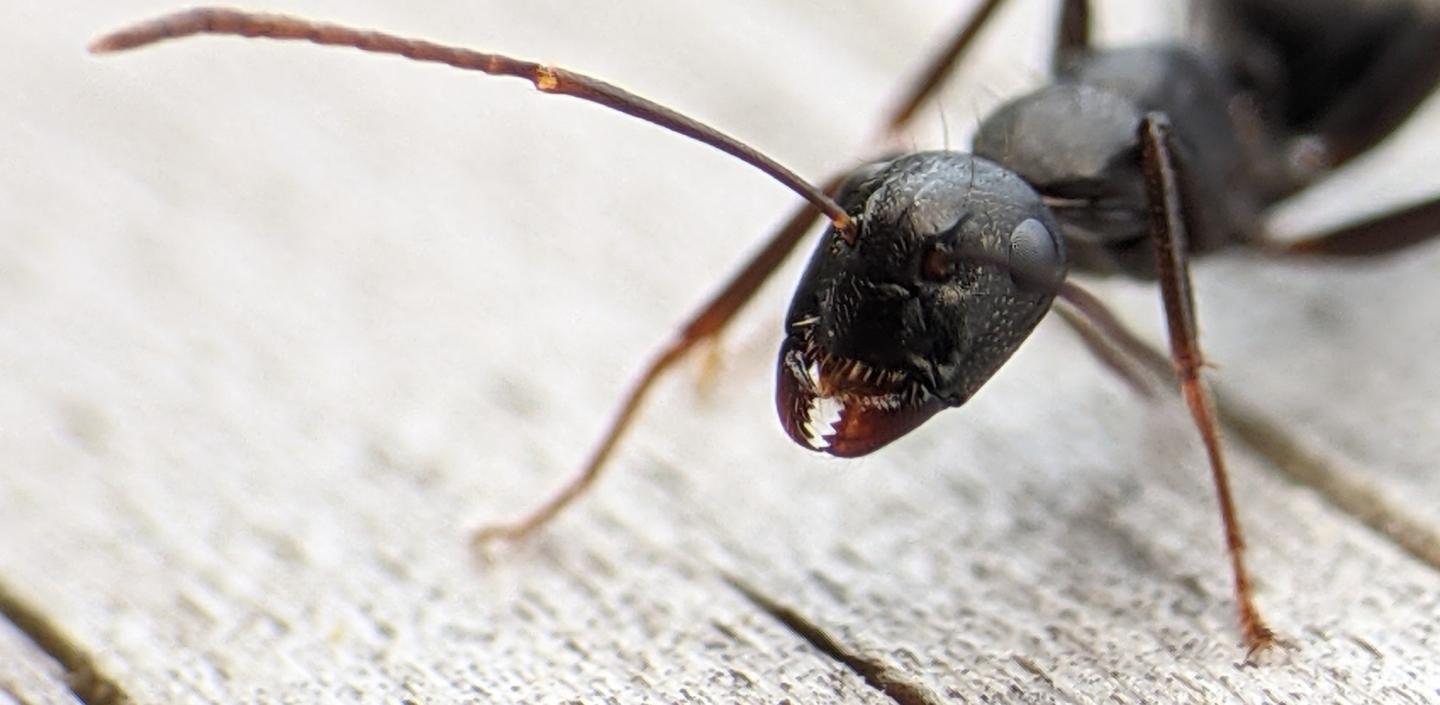
Getting to Know
Entomology has to start a way, XCIS started in the summer of 2023 with Carpenter and Pavement Ants. Our first project was The 2023/2024 Ant Survey which lasted eleven months
In about 5/23 Pavement Ants were fully recognized in Sunnyvale, California. Only once a week they would come out and when they would come out. Trust me. They would come in 40-200 spurts. This survey is about Black Carpenter ants. Later, Black Carpenter Ants or Camponotus Pennsylvanicus in cedar tree roots
Surveying
Surveying isn’t the hardest thing to do. In fact it is the 5th hardest thing we do and 4th easiest thing we do to keep XCIS running.
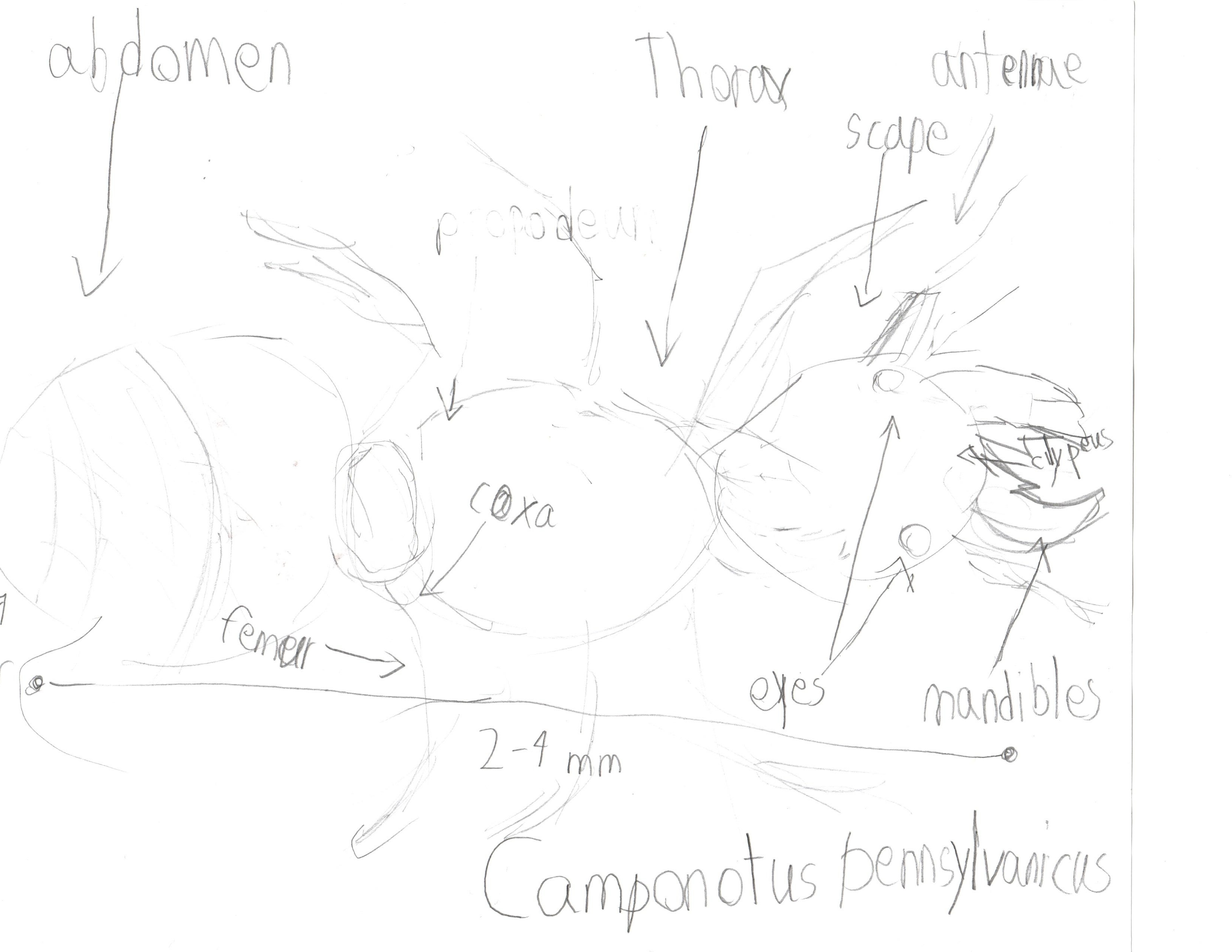
Here are a few strategies to survey in a list. First, PAIR which makes sure we include everything and second is WHIP which keeps us running. Third, is FISH which is a surveying strategy and last is FIR which has everything. Black Carpenter Ants live in roots of moist trees like pine trees and that meant that we had to tear roots to survey and study. We used 8 bags like this to study which got samples for the sketch in “Getting to Know”.
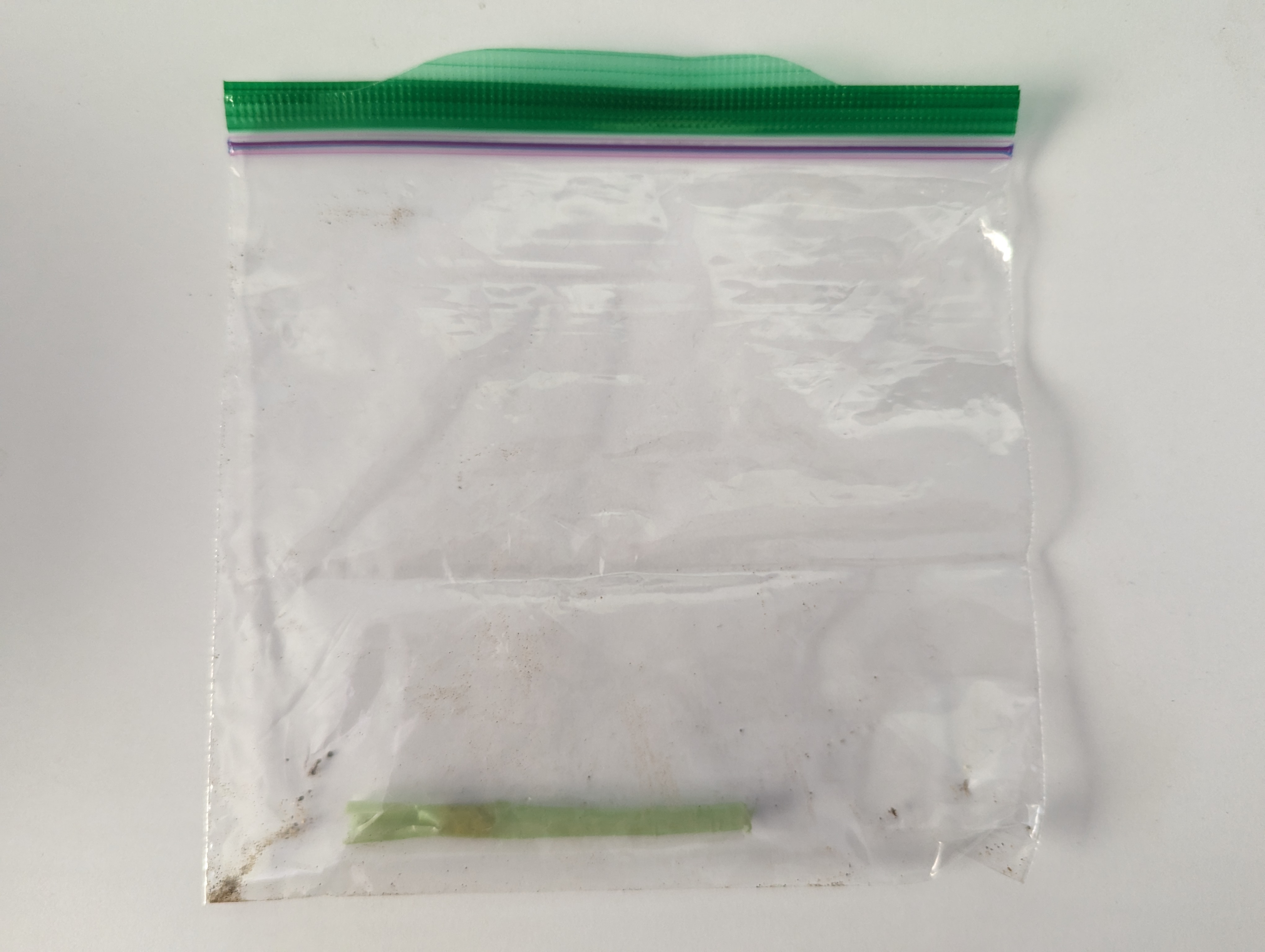
Each bag had 6-15 ants to study though this one only had 10. Not every bag also didn’t have a straw, actually 3 out of 8 bags had a straw for ants.
Sometimes, we need to examine ants up close so we would “fish” for them. First you would put a stick in the root then an ant would crawl on it. Excavating is common in surveying. We use wooden, metal, or plastic tools to dig. We usually put a marked line surrounding the excavation site. The lines last for 3-5 weeks. We use the same tools to disect parts of the tree, or if it is closed we need to tear parts of it. Also, we make projects smaller than the big projects like the entire ant survey to help us.
Data (9/28/2023-10/30/2023)
Data is what we get from surveying now here is data from 9/28/23-10/30/23. Ants grow wings when mating. Drones (a male ant) grow it mesonotum (SAY MESS-O-NO-TUMM) which is a back part of the thorax. We noticed that earwigs or Forficula auricularia Linnaeus of the order Dermaptera (If you don’t know it think about Ice crawlers and think if an Ice Crawler had a claw on its abdomen. That would look like an earwig) live close to ant colonies or even IN ant colonies. The first and second migration were made (1AMW and 2AMW) in 1AMW (approximate time 12:30 p.m.-8:55 a.m. the next day) and 2AMW (2:30 p.m.-9:15 a.m. the next day).
We keep track of the population too. Here are a few data sheets for the population, death count, and food supply for one month
Data (10/31/2023-11/30/2023)
We noticed that springtails of the order Collembola. Springtails and ants have mrymecophilous relationships where springtails coexist with ants and springtails would benifit the shelter ant nests give. They are in pine, spruce, fir, cedar, and hemlock trees which have moist and soft wood as told in sections 1-2 (“Getting to Know” and “Surveying”)
. We first found out that a piece in the left of the SEMO site’s(Survey, Exploration, Migration, Observation Site) population was rising and just in one month it doubled in population from 30 to 60. Migration 3AW and migration 4AW were recorded to a specific spot for mating near the spot 1AMW and 2AMW were recorded. Migration 3AW took place on 11/7/2024 Migration 4AW took place 4 days later. Here are sheets of data of population, death count, and food supply.
Data (12/1/2023-1/24/24)
The left of the SEMO site grew from 60 to 100. On 1/8/2024 in examination on the left side (S1 and C2) there was more dead ants. Since roots were destroyed in 12/23 it might be a famine but later explained that it was a bundle of dead ants accumulating in the area for cannibalism. Here are reasons why: First, they could restore nutrients by eating dead ants. Also, cannibalism helps in stopping the spread of disease and to control population. Last, rotting dead ants can attract pests so ants also eat dead to keep clean.
Another place in the mid SEMO site lost 16 ants from 63 to 47. Here is a few sheets of data for a month and a half.
Data (1/25/2024-3/19/2024)
Aphids order Hemiptera have symboint relationships with Campanotus Pensylvanicus. These aphids might be Myzus percicae or green peach aphid. Ants feed on honeydew a sugary solution aphids in this case green peach aphids make. The ants then protect the aphids from predators and might move then to brand new feeding sites. The place that lost 16 gained 24 ants to 71. S1 and C2 got 21 more ants but lost 9. Here is the data for about two months of population, death count, and food supply.